September 2, 2010. 11:08 PM.
Steve Jobs picks up his iPad and writes 132 words in an email. The recipient is himself.
He lists the things that fill his everyday life, in awe of the creation of others, present and long gone. The food he eats but didn't grow. The clothes he wears but didn't make. The language he speaks but didn't invent. He ends with a line that stays with me:
"I love and admire my species, living and dead, and am totally dependent on them for my life and well being."
The man who built the most valuable brand on earth, sitting in bed, paying respect to everything he didn't build.
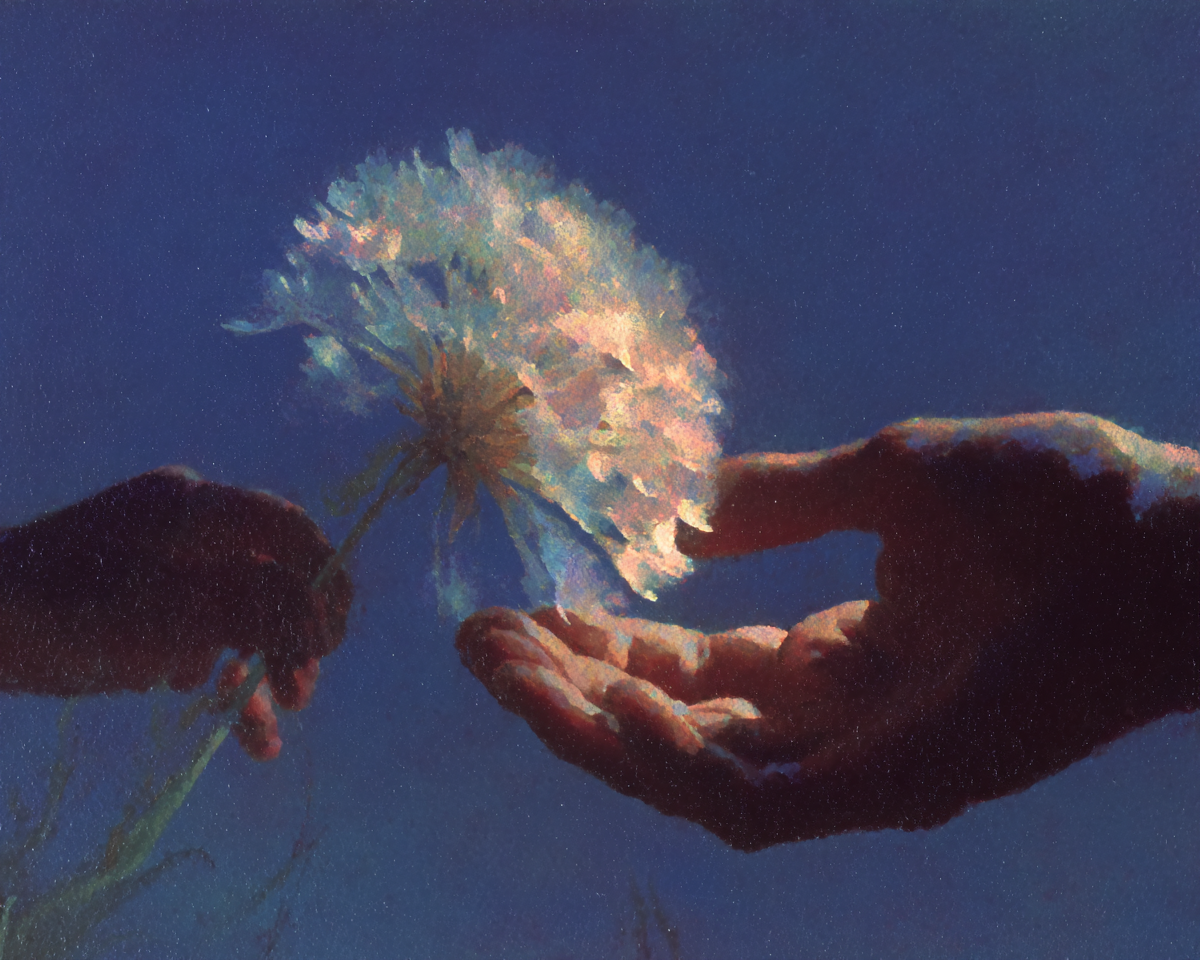
It made me think about my own ideas. Every one of them was built on and inspired by something someone else created. Jobs knew this. We all weave from threads other people spun. This invisible thread connects us deep into the past and far beyond into the future.
But threads slip. We encounter something that lights us up and moves on before we even register what it was. The spark dissolves, unfortunately.
So many people we look up to, artists, innovators, creators, carefully collect these moments, many times not fully knowing what they might use them for. This act of curation is a practice. One of knowing or learning your taste, saving what resonates, and making it count when the time comes.
Jobs emailed himself to collect his thoughts. In 2010, that was the closest thing to giving a thought a home. He would get emails from his past self, reminders of past reflections, sparks, states of mind, and those would fuel his future work.
Many years before that email, he had walked into a calligraphy class at Reed College, which happened after he had already dropped out. At the time, he was sleeping on floors, returning Coke bottles for food money, and wandering into whatever classes caught his attention. Calligraphy was one of them. He learned about serif and sans-serif typefaces, about the space between letter combinations, and about what makes great typography. It was beautiful, and admittedly, for someone who was practically homeless, it had no obvious use.
Ten years later, when his team was designing the first Macintosh, those classes were the inspiration behind the typography of the Mac. The very first computer with an actually beautiful typography. If he had never wandered into that classroom, the Mac would have never had multiple typefaces or proportionally spaced fonts. A piece of cherished curiosity, after being dormant for a decade, helped to set Apple apart.
"You can't connect the dots looking forward," he told Stanford's graduating class in 2005. "You can only connect them looking backwards." I find this statement powerful.
Every project you're working on right now carries traces of a conversation, a book, a song, or a sentence someone wrote that resonated with you and stayed. The design you're proud of might have started with a photograph you saw three years ago on someone's Instagram story. The pitch you nailed last week echoes a reference to a TED talk you half-watched on a train. The way you think about your craft was shaped by a paragraph in a book you can no longer name, written by someone you'll most probably never meet.
What fascinates me is that the things that move or inspire us today are literally at the tip of our fingers. They are closer than they have ever been. Every conversation, article, podcast, image, song, every piece of human creation is a click or two away. We encounter more potential dots in a single week than Jobs encountered in a year.
We are constantly exposed to novel pieces that we need to complete whatever puzzle we are working on. That puzzle could be your life, your craft, your work.
And yet, most of these pieces pass through us like water. We scroll, we nod, we feel something, and we move on. The spark dissolves before it ever gets a chance to become anything.
This was something that had been bothering me for a while. I have been collecting and curating my curiosities since I was a teenager. My lists of YouTube playlists, and bookmarks are almost a bottomless pit by now. Sometimes long forgotten. And that is not right.
Curiosities deserve a place to live. A place where every thought you cared enough to save can stay, grow roots, and find its way back to you when you need it. So that one day, you can look back at the dots you collected, talk to them, create with them, and finally see how they connect. And that place? Is Mindstash.