


Curiosity: Humanity's Superpower (And How We're Accidentally Killing It)
Curiosity: Humanity's Superpower (And How We're Accidentally Killing It)
From fire to AI, curiosity powered every human leap. This essay explores why modern tech distracts us from wonder and how to reclaim it.
A three-year-old asks "why?" approximately 107 times per day. By age ten, that number drops to practically zero. Something happens between the sandbox and the classroom.
Curiosity isn't just a nice personality trait. It's humanity's evolutionary jackpot, our superpower, the thing that launched us from irrelevant primates to the dominant species on the planet.
The Spark That Started Everything
Imagine you're a human 300,000 years ago. You see fire from a lightning strike. Every other animal runs. You? You edge closer. "What is that?" Your dopamine system, that reward circuit in your brain, goes haywire. Not because fire is immediately useful, but because it's novel. Your brain is literally addicted to the unknown.
That curiosity about fire didn't just keep you warm. It changed everything. Cooked food meant smaller guts, bigger brains. Controlled fire meant nighttime became useful. Campfires meant storytelling, planning, imagination. One curious "what if?" and suddenly we're different.
The Leaps That Made Us Human
Someone got curious about seeds. "What if we don't just eat these, but plant them?" Suddenly, we're not wandering. We're settling. We're building. We're creating surplus. And surplus means some people can spend their days being curious about other things like pottery, metalworking, and writing.
Fast forward. Galileo looks through a tube with lenses and wonders about those lights in the sky. Darwin gets curious about finch beaks. Someone wonders if moldy bread could kill bacteria (hello, penicillin). These weren't practical questions initially. They were "I wonder..." moments. But they cascaded.
Why We're Built This Way
Here's the biology: We're not the strongest species. We're not the fastest. We don't have claws or venom. What we have is an oversized prefrontal cortex and a dopamine system that rewards us for exploring the unknown, and the ability to pass our discoveries like torches through time, illuminating paths for those who follow.
This made us the ultimate explorers, tinkerers, and connectors. We didn't just adapt to environments, we invented new ones. We didn't just use tools, we kept asking "what else could this do?" That restless "what if?" became our cognitive niche, our evolutionary edge.
And Then We Built a Curiosity Killer
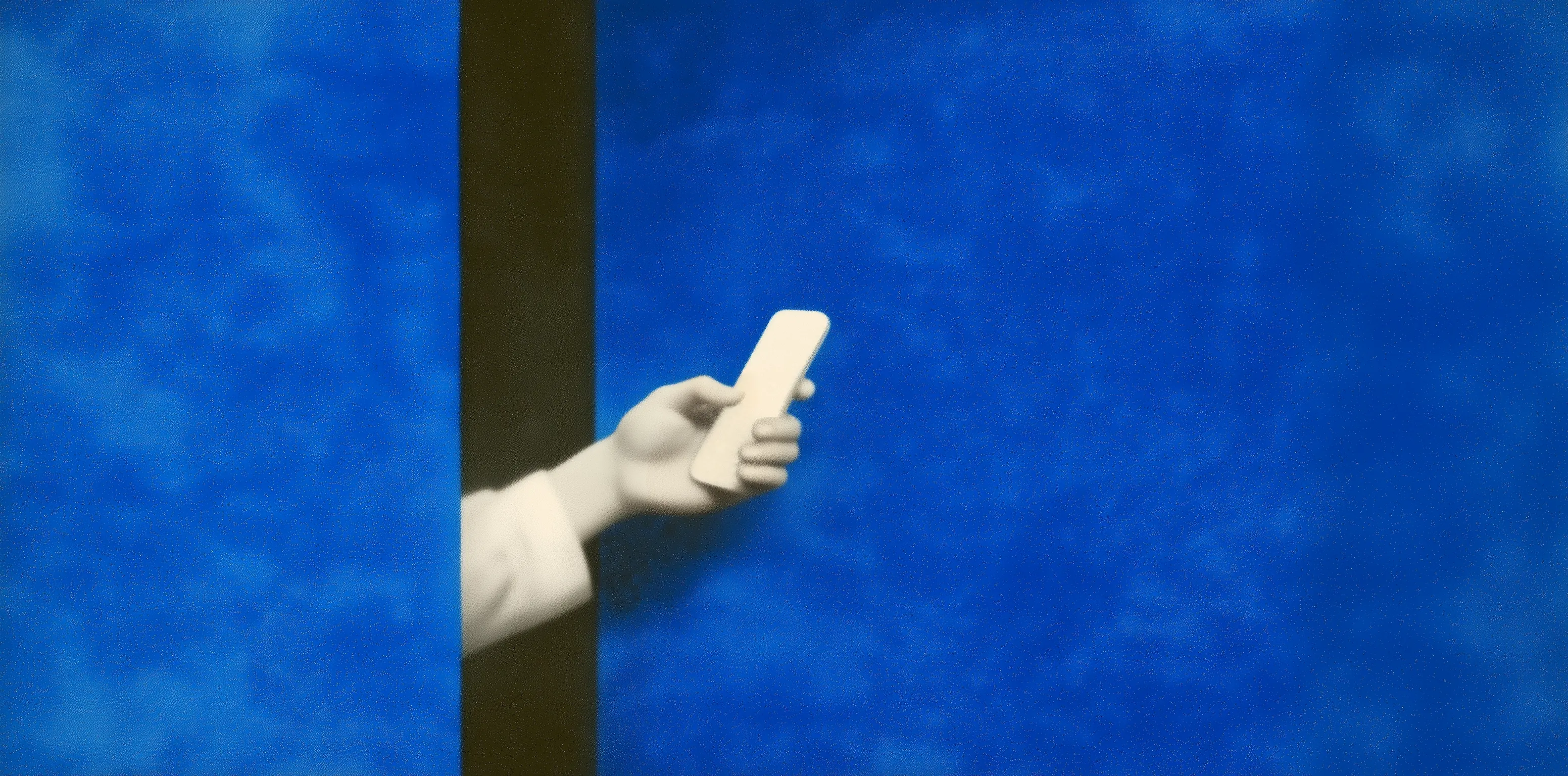
Fast forward to 2025. You wake up, reach for your phone, and curiosity dies a thousand small deaths.
You don't wonder anymore, you scroll. You don't explore, you consume. Your dopamine system, that ancient circuit designed for novelty and exploration, now fires every time you see a red notification dot. Tech companies have hacked the very mechanism that made us human.
The problem isn't that we're less curious. It's that we're distracted from our curiosities. That article you wanted to read? Buried under 47 browser tabs. That question you wanted to explore? Gone, replaced by whatever algorithmic recommendation came next.
We're drowning in information but starving for genuine curiosity. We collect interesting things like digital hoarders but never actually engage with them. The spark is still there. We've just buried it under an avalanche of shallow browsing.
The Next Leap: AI and the Curiosity Paradox
AI is the next paradigm shift. It could extend human curiosity into realms we can't reach alone. But there's a trap: if AI just feeds us answers instead of helping us explore, we risk automating away one of the key things that makes us human. Curiosity isn't about getting answers. It's about the journey, the connections, the unexpected tangents.
Welcome to the Renaissance of Curiosity
What if we built something different? Not another app to capture information, but a tool to nurture curiosity itself. A space where your interests don't just get saved, they get cultivated. Where your dopamine system gets rewired back to exploration, not notification dots.
That's why we built MindStash.
MindStash isn't about storing more information. It's about rekindling that three-year-old's "why?" It's about creating space for deep curiosity in a world optimized for shallow scrolling. It's the analog camera of the digital world, sharpening your awareness, helping you capture what truly matters.
Because here's the truth: Every major leap humanity has made started with someone being unreasonably curious about something impractical. Fire. Seeds. Stars. Genes. Code.
The next leap? It starts with you deciding that your curiosities matter. That your questions deserve space. That wonder isn't a luxury, it's humanity's most valuable resource.
Get Early Access. Be part of the curiosity renaissance.
The world doesn't need more information. It needs more people asking "why?" and actually following through.
Your three-year-old self would be proud.
— Omer Sharon Gabay